
Preparing an Apartment for Rent | Part 3: Tenant Screening
The apartment is ready, documents organized, taxes calculated. Now comes the most important stage: finding someone who will live in your apartment, pay rent on time, and not damage the property.
Brandon and Heather Turner say it straight in "The Book on Managing Rental Properties": a bad tenant costs more than an empty apartment. One problematic tenant can cost you €3,000–10,000 per year — unpaid rent, property damage, legal costs, stress.
The good news: tenant screening is a process you can systematize. In this third part of the series, we'll share a screening system adapted for the Lithuanian market.
Creating a Listing
A good listing serves a dual function: attracts suitable tenants and deters unsuitable ones.
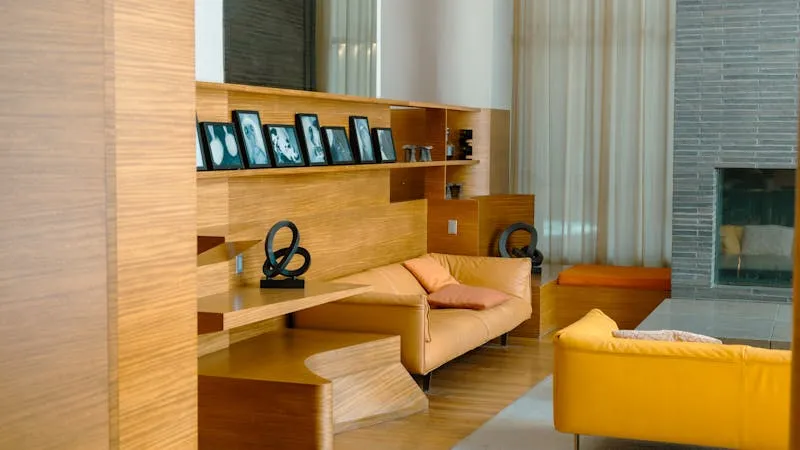
Where to List?
In Lithuania, the main platforms are:
- Aruodas.lt — the largest real estate platform in Lithuania, attracting the most serious tenants. Listing is paid but worth it.
- Domoplius.lt — second in popularity, a good additional channel.
- Facebook groups — "Butų nuoma Vilniuje," "Būsto nuoma Vilnius," and similar. Fast reach but more time spent filtering.
- Facebook Marketplace — broad audience reach.
For a detailed comparison of all Lithuanian real estate portals — with pricing, features, and pros/cons — check out Real Estate Listing Portals in Lithuania: Comparison 2026.
💡 Tip: List on all platforms simultaneously. The more potential tenants see your listing, the higher the chance of finding the right person quickly. An empty apartment = money lost every day.
Anatomy of an Effective Listing
Photos — first impression:
- At least 10–15 high-quality photos
- Shoot during the day with natural light
- Each room — at least 2 photos (wide angle + detail)
- Clean, tidy space — no personal items or clutter
- If you can — invest €50–100 in a professional photographer. It pays off through faster rental
Description — concrete facts:
- Area (m²), number of rooms, floor / total floors
- Neighborhood and nearest amenities (shop, school, bus stop — state distance in minutes)
- What's included: furniture, appliances (list specifically)
- Parking space — available / not available
- Approximate utility cost
- Available move-in dates
- Rental price and deposit amount
What NOT to write:
- "Beautiful apartment" — this says nothing
- Exaggerated descriptions — a "luxurious" apartment with IKEA furniture will cause disappointment
- Inaccurate data — if the area is 45 m², don't write 50 m²
Price in the Listing
Always state the exact price. Listings without a price or with "price negotiable" receive fewer inquiries because serious tenants filter by budget.
Tenant Screening Process
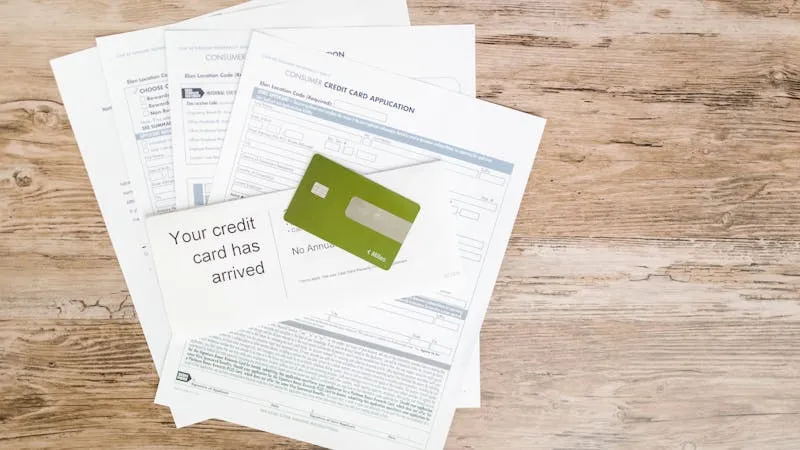
Brandon Turner recommends a 7-step screening process. Here's our adaptation for the Lithuanian context — some steps (e.g., formal previous landlord verification) aren't yet common practice here, so our version includes 6 steps:
Step 1: Set Minimum Requirements
Before listing, decide on your non-negotiable criteria:
- Income ≥ 3× rent — this is the gold standard. If rent is €600, the tenant's monthly income should be at least €1,800
- Stable income — employment contract, business income, or another reliable source
- No debts or negative credit history (verified through CreditInfo — see below)
- Good references from the previous landlord
Step 2: Pre-screening by Phone
When you receive an inquiry, before inviting them for a viewing, briefly ask:
- "When are you planning to move in?"
- "How many people will be living there?"
- "Do you have pets?"
- "Where do you currently live and why are you changing?"
- "What is your approximate monthly income?"
This 5-minute conversation will filter out 30–50% of unsuitable candidates and save time for both sides.
Step 3: Apartment Viewing
The viewing isn't just the tenant's chance to see the apartment — it's your chance to evaluate the person:
- Did they arrive on time? Punctuality shows respect and organization
- What questions do they ask? Questions about contract terms, utilities, rules = serious tenant. No questions = potential red flag
- How do they communicate? Politeness, clarity, transparency
- Did they come alone or with a partner? If they'll be living together, it's better for both to attend the viewing
Step 4: CreditInfo Check
In Lithuania, every resident has the right to receive their credit report for free once a year from CreditInfo. The process works like this:
- You, as the landlord, cannot directly check a tenant's credit history — this requires the person's consent and special access
- Practical solution: ask the potential tenant to provide their own CreditInfo report. Since every resident can get it for free once a year, it's not a significant burden
- What the report shows: active credits, late payments, debts, overall financial profile
💡 Tip: If a tenant refuses to provide a CreditInfo report — that's a red flag. A trustworthy person has nothing to hide, and obtaining the report costs them nothing.
Step 5: Employer Verification
If the tenant is employed:
- Request the last 3 months' pay slips or bank statement
- For additional confirmation — you can call the employer (with the tenant's consent)
If the tenant is self-employed — request a VAT declaration or bank statement confirming regular income.
Step 6: Social Media Review
This is an additional step recommended by Brandon Turner. Facebook, LinkedIn, Instagram profiles can reveal:
- Lifestyle and interests
- Whether the tenant's story matches what you see online
- Red flags — aggressive behavior, constant complaints, unusual posts
Warning: social media information is supplementary context, not a primary screening criterion. Don't use it for discrimination.
💡 Good practice: Although not yet common in Lithuania, it's worth asking the potential tenant for their previous landlord's contact. Even if you don't call — watch the reaction. If the person hesitates or refuses to provide the contact, it can be a warning sign.
Red Flags — What to Watch For
Brandon Turner and many experienced landlords highlight these warning signs:
- Asks for a rent reduction before signing — if someone can't afford the rent, problems will be constant
- Asks to pay the deposit in installments — a sign of financial difficulty
- Rushing to move in "tomorrow" — they might have been evicted from a previous apartment
- Unwilling to provide documents — those who hide will keep hiding
- Negative references from a previous landlord — a serious reason to decline
- Constantly changing terms — "maybe I could have a pet?", "maybe move in earlier?", "maybe without a deposit?" — these are signs of manipulation
- A story that's too perfect — if everything sounds too good, it's worth additional verification
💡 Tip: Better for the apartment to sit empty an extra week than to accept a tenant who raises doubts. An empty apartment costs rent — a bad tenant costs renovation, court, and stress.
Communication Rules and House Rules
Once a tenant is selected and the agreement is signed, it's crucial to establish clear rules from day one.

House Rules
Provide in writing together with the lease agreement:
- Noise rules — quiet hours (e.g., 22:00–7:00)
- Smoking — prohibited inside the apartment (state clearly)
- Pets — yes/no, with additional conditions (extra deposit?)
- Guests — long-term guests (e.g., more than 14 days) must be coordinated
- Appliance maintenance — who's responsible for what (e.g., clean the AC filter every 3 months)
- Recycling — explain how it works in your building
- Parking rules — if applicable
Communication Channels
Brandon Turner emphasizes: all communication should be in writing. This protects both parties in case of a dispute.
- Primary communication: email or SMS/WhatsApp (WhatsApp is the most popular in Lithuania)
- Don't call for everyday matters — written communication = evidence
- Emergencies — calling is both acceptable and necessary. Provide your phone number and an alternative contact
- Response time — set expectations: respond to regular questions within 24 hours, emergencies within 1–2 hours
Payment System
- Set a payment date — most popular in Lithuania: the 1st or 15th of the month
- Bank transfer only — no cash. This protects you and satisfies tax authority requirements
- Automated payment reminder — automatic email 3 days before the payment date
Use the best payment day calculator — it will help determine which payment date is optimal relative to your mortgage schedule to save on interest.
Property Protection Checklist
Before handing the keys to a new tenant, go through this list:
- ☐ Tenant meets all minimum requirements (income, references, credit)
- ☐ CreditInfo report reviewed
- ☐ Previous landlord contacted
- ☐ Lease agreement signed by both parties
- ☐ Property handover act prepared with photos
- ☐ Deposit paid
- ☐ House rules provided in writing
- ☐ Payment terms discussed and agreed
- ☐ Property insurance is valid
This checklist is your safety net. Every time a tenant changes, go through it from the beginning.
What's Next — Rental Management
The tenant moved in, everything is signed. But this isn't the end — it's the beginning. Rental management includes:
- Monthly: check payment, respond to tenant inquiries
- Quarterly: inspect the apartment condition (with tenant's consent and advance notice)
- Annually: review rental price based on market, renew insurance
Regular review of rental returns helps you notice in time whether the investment is still profitable. Use the profitability calculator — it will help you monitor your investment performance over the long term.
Frequently Asked Questions (FAQ)
How long does it take to find a good tenant?
A prepared apartment with a good listing in popular locations (Vilnius center, Šnipiškės, Žirmūnai) rents within 1–2 weeks. In less popular areas — 2–4 weeks. If the apartment sits longer than a month — review the price or listing quality.
Can I reject a tenant without reason?
Yes, as long as the agreement hasn't been signed, you have the right to choose your tenant. However, you cannot discriminate based on race, gender, nationality, religion, or marital status — this is prohibited by the Equal Opportunities Law.
What to do if a tenant damages the property?
First — document the damage with photos and in writing. Compare with the handover act. If the damage is clear, deduct from the deposit (notifying the tenant in writing). If damage exceeds the deposit — legal proceedings through the court.
What are the tenant eviction timeframes?
Under the Civil Code, if a tenant violates the agreement (doesn't pay rent for 3+ months, destroys property), the landlord can terminate the agreement, but physical eviction is only possible through the court. "Changing the locks" is illegal — even if the tenant isn't paying.
Is it worth using rental management services?
If you have 3+ apartments or don't have the time — worth considering. Rental management companies in Lithuania charge 8–15% of the rental price and handle everything: from tenant search to repairs. If you have one apartment — it usually pays to manage it yourself.
Sources:
- Brandon Turner, Heather Turner — "The Book on Managing Rental Properties" (BiggerPockets, 2015)
- CreditInfo Lithuania — accessed 2026-03-27
- Aruodas.lt — apartments for rent in Vilnius — accessed 2026-03-27
- Civil Code of the Republic of Lithuania, Articles 6.575–6.609 — accessed 2026-03-27
This is the third and final part of the series "Preparing an Apartment for Rent." If you missed the earlier parts: Part 1 — Pricing, Taxes, Documents and Part 2 — Practical Guide.